
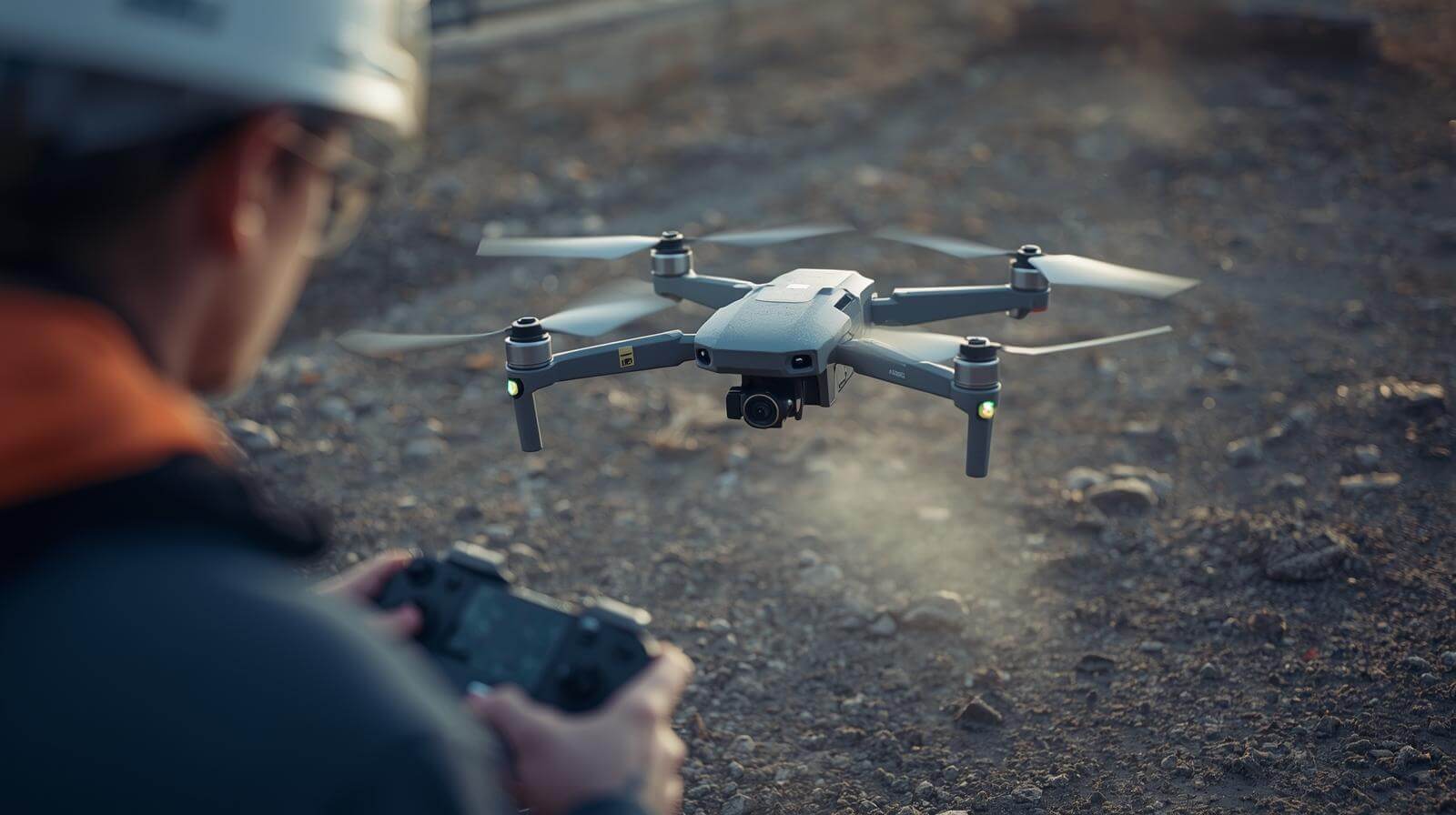
1. Why a microSD Card for Drone Mapping Is More Than Just Storage
Drone Survey Missions Generate Thousands of Geotagged Images
One mapping flight can generate massive data in minutes.
A typical survey drone captures:
-
1,000–3,000 overlapping images
-
20–40MB per RAW file
-
60–100GB per mission
That means continuous writing without pause. A microSD Card for Drone must handle sustained data flow — not occasional bursts like casual photography.
If the write speed drops, image gaps appear. And in mapping, missing images mean broken 3D models.
Which leads to the real risk: data failure.
The Cost of Data Loss in Professional UAV Projects
A single corrupted dataset can erase an entire workday.
In industrial inspections, missing GPS-tagged images can cause:
-
Re-flights
-
Project delays
-
Additional labor cost
-
Client dissatisfaction
A reliable microSD Card for Drone is not an accessory — it’s risk control.
Professional operators treat storage like insurance. Because once the drone lands, you can’t recreate that exact light, position, or timing.
Now let’s talk about what speed ratings really mean.
2. Understanding Speed Classes: What Drone Survey Really Requires
U3, V30, V60 — What Do They Actually Mean?
Speed labels aren’t marketing — they define minimum sustained write speed.
| Rating | Minimum Sustained Write |
|---|---|
| U3 / V30 | 30MB/s |
| V60 | 60MB/s |
| V90 | 90MB/s |
For photogrammetry, a drone capturing 30MB images per second needs at least 30MB/s sustained performance.
A properly rated microSD Card for Drone ensures consistent image capture without buffering.
But speed rating alone is not enough.
Why Sustained Write Speed Matters More Than Peak Speed
Many cards advertise “100MB/s” — but that’s peak speed, not continuous performance.
Drone mapping requires sustained write speed drone mapping, not short bursts.
If the card slows during long flights:
-
Images may skip
-
Buffer warnings appear
-
Files risk corruption
When choosing a microSD write speed for photogrammetry, prioritize stable sequential write performance over flashy numbers.
Because in survey work, stability beats speed.
3. Capacity Planning: How Much Storage Do Survey Drones Need?
Estimating Data Size for Mapping Missions
Storage planning starts before takeoff.
In drone mapping, data volume depends on coverage size and image overlap. A typical mission may capture 200–400 images per hectare. If each RAW image averages 25–40MB, total data increases quickly.
Here’s a simplified estimate:
| Mission Type | Images | Avg File Size | Recommended Capacity |
|---|---|---|---|
| Small Site (5 ha) | 1,200 | 30MB | 64GB |
| Mid-Size (20 ha) | 4,000 | 30MB | 128GB |
| Large Industrial | 8,000+ | 35MB | 256GB |
Choosing the best microSD card capacity for drone mapping means calculating real mission needs—not guessing.
But capacity mistakes often show up mid-flight.
When 64GB Is Not Enough
Many operators start with 64GB. It works—until it doesn’t.
Large-area surveys, infrastructure mapping, or high-resolution sensors quickly exceed that limit. Once capacity fills mid-mission, you risk:
-
Forced landing
-
Card swapping in dusty environments
-
File fragmentation
-
Increased corruption risk
Professional teams often standardize 128GB–256GB to meet realistic drone survey storage requirements.
A well-sized microSD Card for Drone reduces operational interruptions and keeps data flow smooth.
Capacity solves volume. Next comes durability.
4. Reliability Under Field Conditions: Heat, Vibration, and Endurance
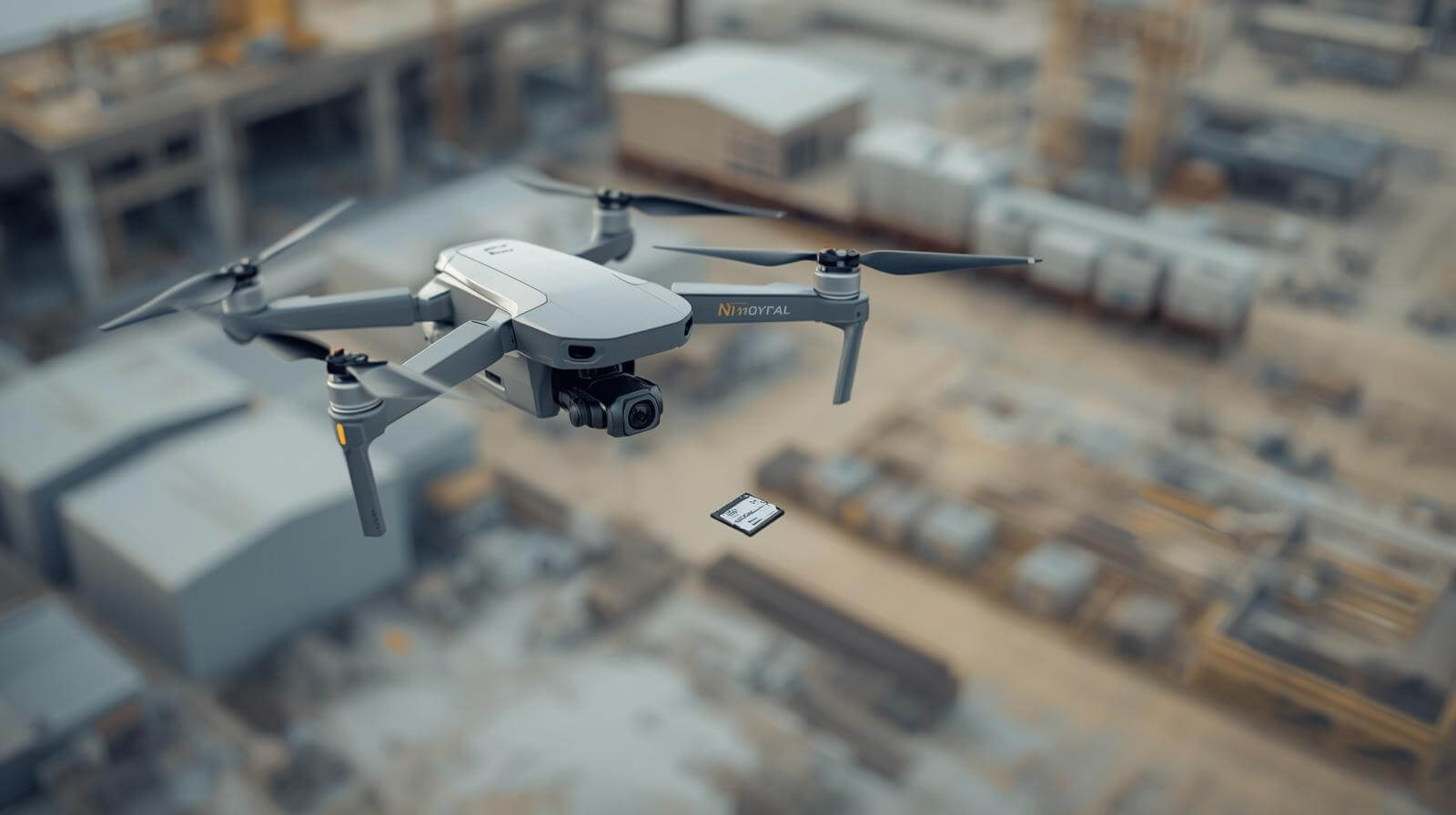
Temperature Fluctuation in Aerial Operations
Drone surveys rarely happen in controlled environments.
Morning flights may start near 5°C. By midday, surface temperatures can exceed 40°C. Inside the drone body, storage temperatures rise even higher due to processor and battery heat.
A standard consumer card may throttle or degrade. An industrial grade microSD for drone is designed for wider temperature tolerance, helping maintain stable recording across:
-
Cold starts
-
Direct sun exposure
-
Long continuous missions
Your microSD Card for Drone must survive the same conditions as your aircraft.
Heat affects performance—but repeated use affects lifespan.
Write Endurance and Long-Term Fleet Deployment
Mapping companies don’t fly once—they fly daily.
Every capture cycle writes thousands of images. Over months, that equals terabytes of data. NAND flash cells have limited program/erase cycles, and lower-end cards wear out faster.
A high endurance SD card for survey drone reduces the risk of silent failures in fleet deployment. Enterprise operators prefer consistent models across all drones to ensure predictable behavior.
For large projects, a reliable microSD Card for Drone isn’t just about today’s flight—it’s about year-round durability.
Now let’s move beyond hardware into workflow.
5. Workflow Matters: From Drone to Photogrammetry Software
File System Compatibility (FAT32 vs exFAT)
Formatting may seem minor—but it prevents major headaches.
Most survey drones support FAT32 (for ≤32GB) or exFAT (for larger capacities). Using incorrect formats increases corruption risk during large file transfers.
Best practices for microSD formatting for drone survey:
-
Format inside the drone before missions
-
Avoid switching devices without reformatting
-
Use exFAT for 128GB+ cards
Proper formatting helps avoid data corruption drone SD card issues before they begin.
Clean formatting supports clean processing.
Storage Performance and Post-Processing Speed
Good storage doesn’t just affect capture—it affects workflow speed.
When images are written cleanly and sequentially, importing into Pix4D or Metashape becomes faster and more stable. Corrupted metadata or incomplete writes can cause alignment failures.
A stable microSD Card for Drone ensures:
-
Complete geotagging
-
Consistent file indexing
-
Faster dataset ingestion
Smooth data capture equals smoother 3D reconstruction.
Because in drone survey work, storage performance directly influences final model accuracy.
6. How to Choose the Right microSD Card for Drone Professionals
A Practical Selection Checklist
Choosing the right storage should feel systematic, not confusing.
For professional survey work, your microSD Card for Drone should meet these criteria:
-
Minimum U3 / V30 rating
-
Proven sustained write stability
-
128GB–256GB capacity range
-
High-endurance NAND design
-
Wide temperature tolerance
-
Stable long-term supply availability
If even one of these is missing, risk increases.
In mapping operations, consistency matters more than marketing numbers. And that’s why experienced operators think differently.
Why Professional Operators Choose Mission-Grade Storage
Professionals don’t choose storage based on price—they choose based on reliability.
A mission-grade microSD Card for Drone offers:
-
Stable sustained performance across long flights
-
Consistent behavior across production batches
-
Reduced risk of silent data corruption
-
Predictable lifecycle performance
In enterprise deployments, storage uniformity across drone fleets prevents unpredictable failures.
Instead of replacing failed cards reactively, professional teams standardize dependable models early—reducing long-term operational risk without increasing complexity.
Now let’s address the most common questions operators ask.
7. FAQs About microSD Card for Drone Mapping
What speed class is best for drone mapping?
For most survey missions, U3 or V30 is the minimum requirement, as it guarantees at least 30MB/s sustained write speed. High-resolution mapping or advanced sensors may benefit from V60. The right microSD Card for Drone should prioritize sustained performance over peak speed ratings.
Can a slow microSD card affect survey accuracy?
Yes. A slow card can cause skipped image intervals or incomplete writes. In photogrammetry, missing or corrupted images may lead to alignment errors, gaps in 3D models, or inaccurate measurements. Reliable storage protects data integrity—and therefore survey accuracy.
Is 256GB too large for a survey drone?
Not usually. Most modern drones support 128GB–256GB using exFAT formatting. Larger capacity reduces mid-mission swaps and lowers file fragmentation risk. For extended industrial surveys, 256GB is often more practical than smaller cards.
How often should microSD cards be replaced in professional use?
It depends on usage intensity. High-frequency mapping fleets may replace cards annually or after heavy write cycles. Monitoring performance consistency and avoiding aging consumer-grade cards helps prevent unexpected failures.
Standardize your drone fleet with storage you can trust.
From sustained write stability to batch consistency, Dellwa supports professional UAV deployments worldwide.
Contact Us to discuss your survey and mapping storage requirements.